the greatest vintage apple-collection
since 2004 latest update 06012026

since 2004 latest update 06012026
Color Macintosh
What was still missing was color.
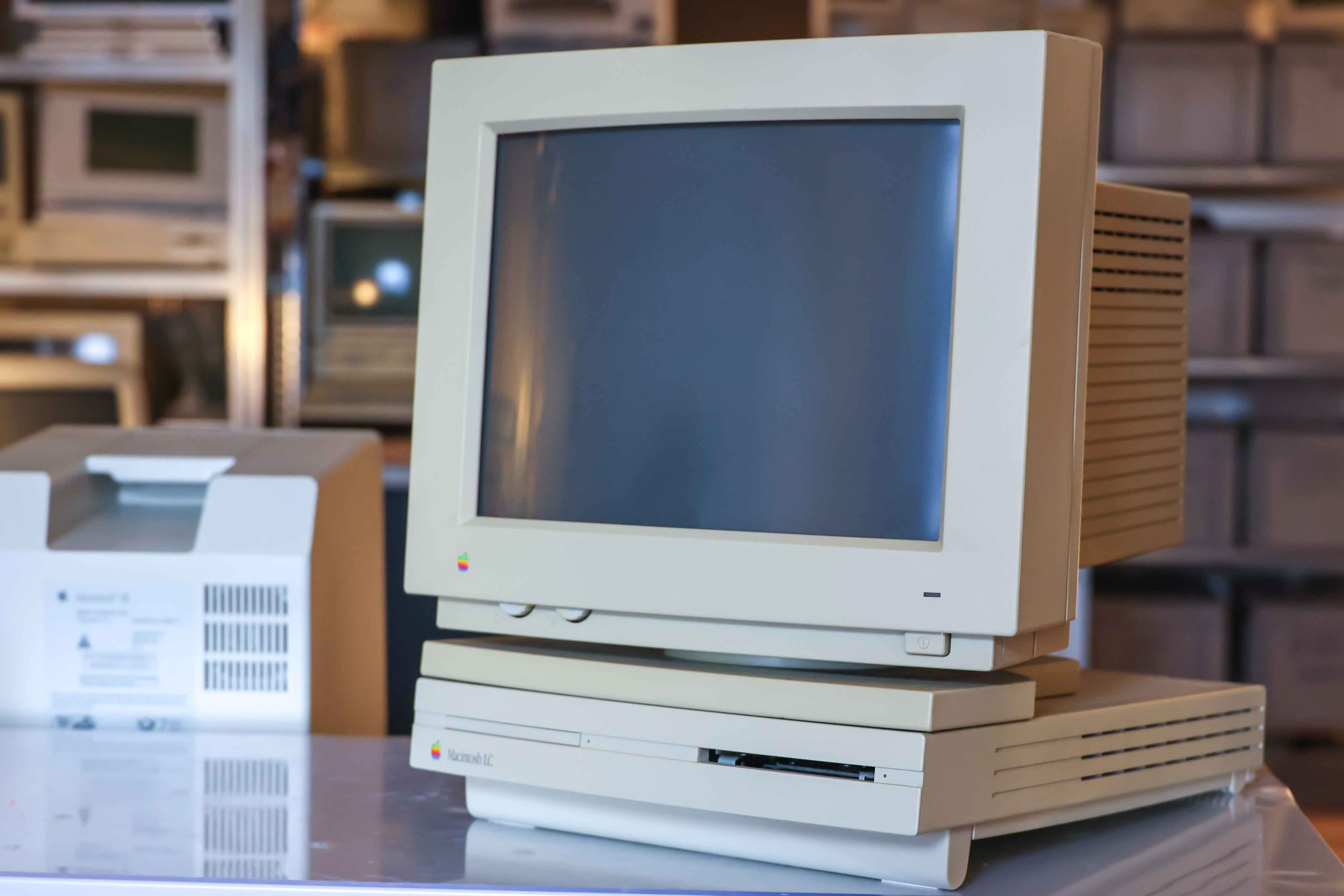
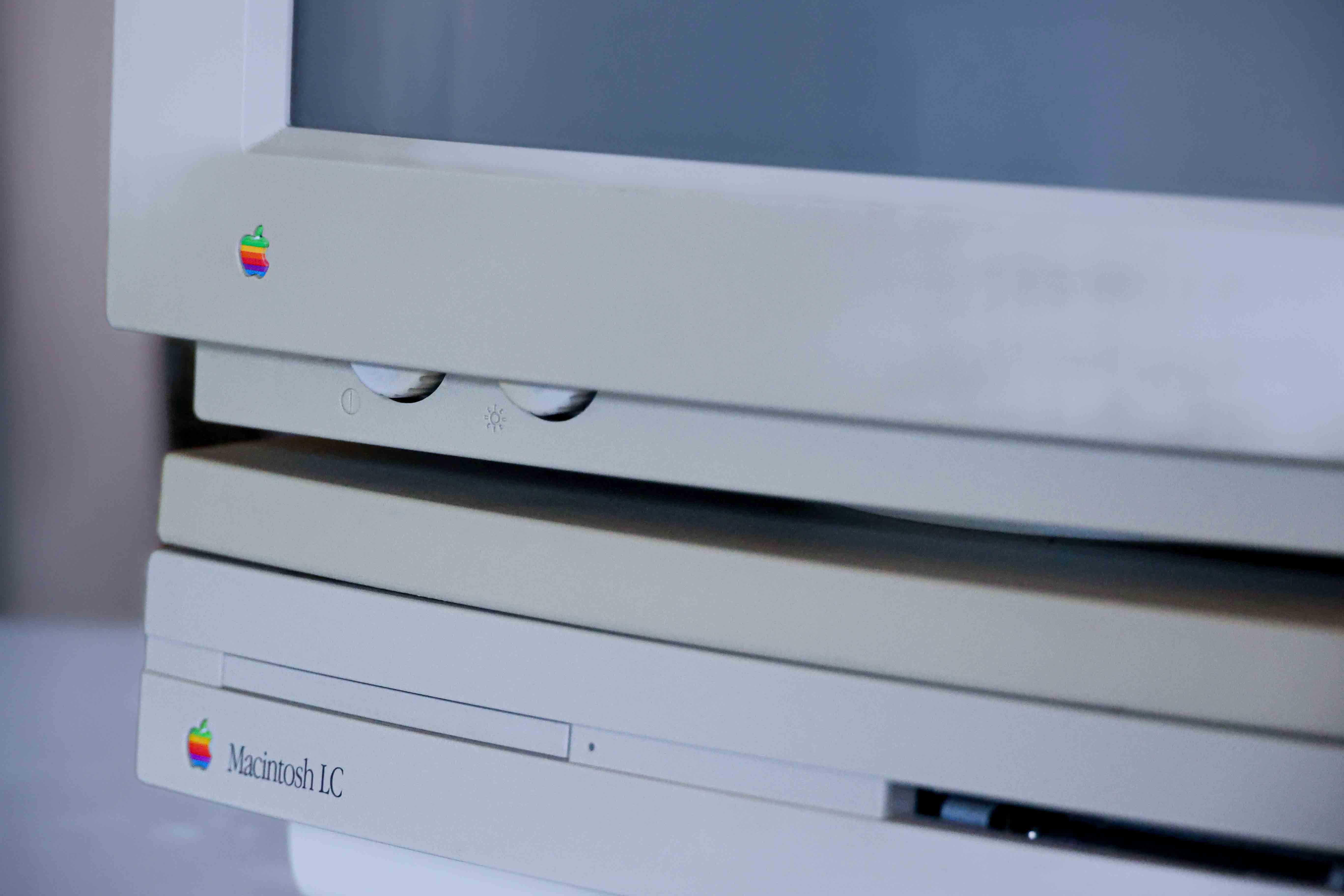
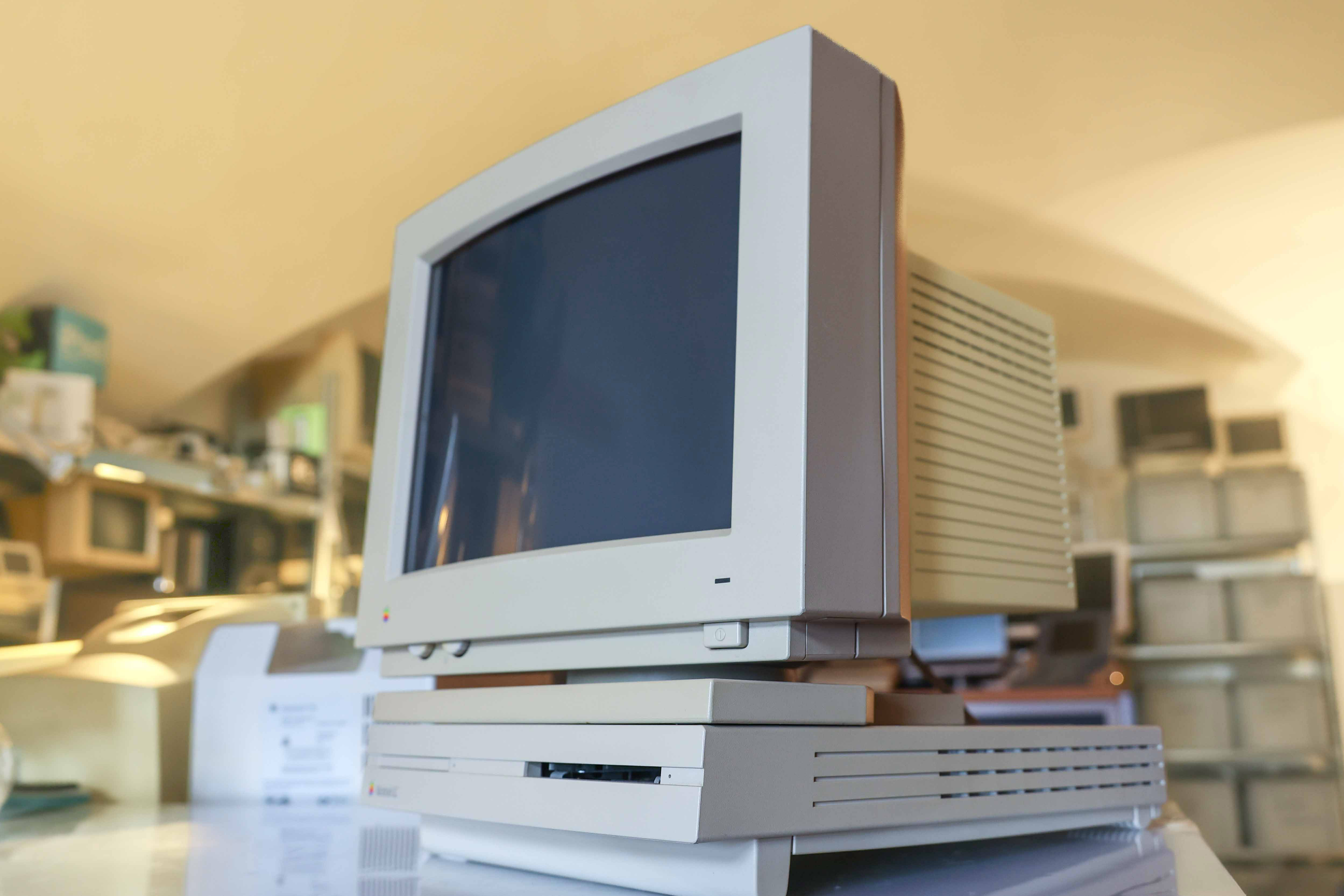
My Macintosh Classic and my PowerBook 140 were sold, and in their place came a Macintosh LC with a 14-inch color screen. Suddenly, the focus shifted: no longer text, but games took center stage.
The Macintosh didn't have it easy. The Amiga offered an impressive selection of brilliant games, often technically and gameplay-wise superior. And yet, the LC had a decisive advantage: the image. It was significantly clearer, smoother, and sharper than on the Amiga monitor. This image quality made up for a lot – even if it meant some limitations in gameplay.
Shortly afterward, the opportunity arose to get a Macintosh IIcx with a 16-inch screen at a good price. Technically a dream – but practically speaking, a different league altogether. The computer and monitor together formed a veritable monster on the desk. Compared to the compact Classic, the setup seemed bulky and dominant, and I often longed for its former compactness.
From today's perspective, both the Macintosh LC and the Macintosh IIcx are exceptionally rewarding machines to repair. They are clearly laid out and easily accessible. One thing, however, is absolutely essential: the capacitors must be replaced, without exception. The SMD electrolytic capacitors on the logic boards, in particular, are almost always leaking by now.
The power supply is a bit more challenging. For the LC, there is at least an elegant solution: inexpensive replacement power supplies are available from electronics retailers, requiring only a modification of the connector to the mainboard—a practical and reliable alternative to the original.
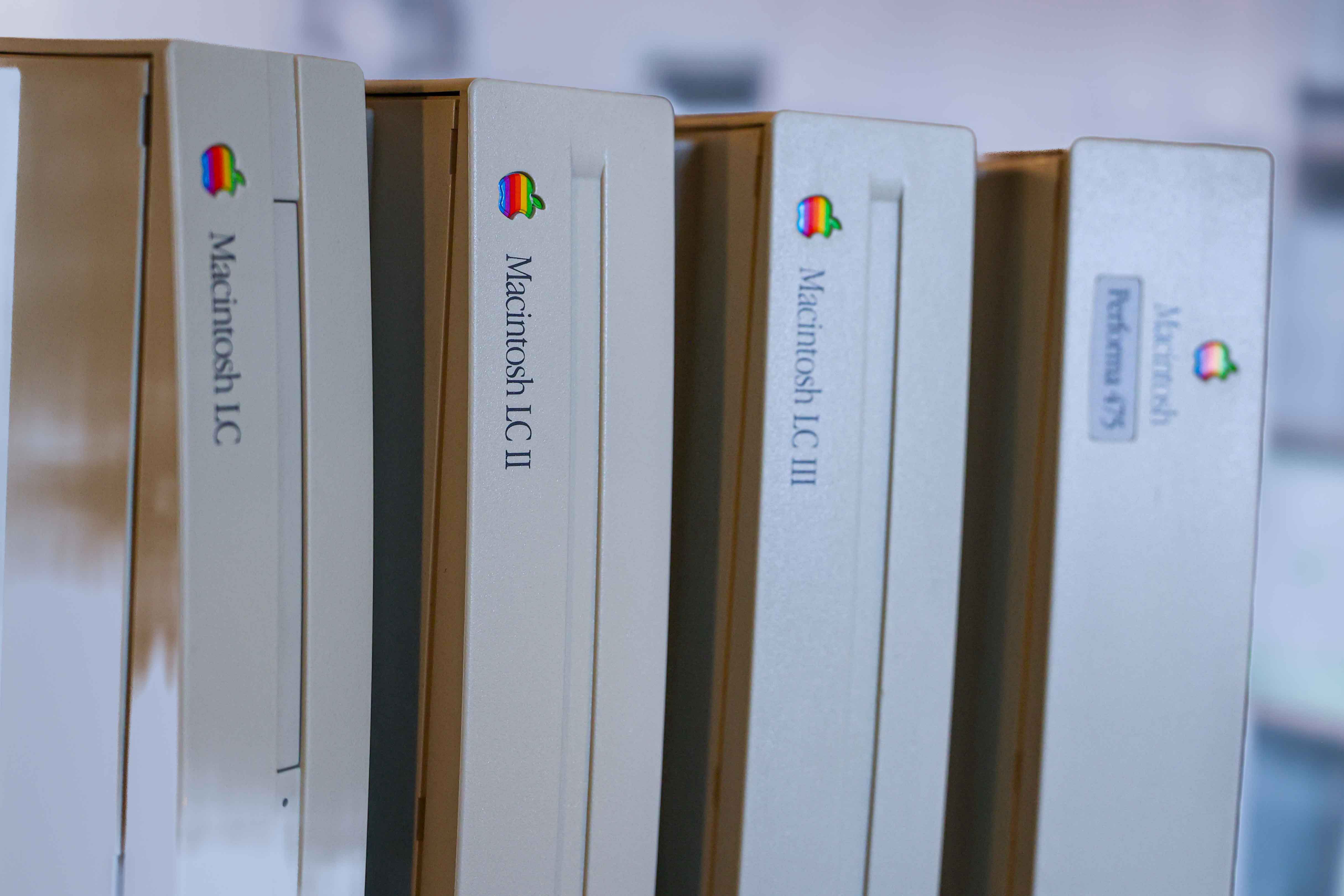
Today, I appreciate the LC models more than ever. They are compact, uncluttered, and perfectly embody that era when color entered the Macintosh world without degenerating into oversized desktop systems.
And what did "LC" actually stand for back then? There are different interpretations. For me it was quite clear: Love Color.